Brand Strategy
Why Modern Ecommerce Brands Need More Than Just a Storefront
Luxury ecommerce is no longer about selling products online. The new era belongs to immersive digital brand ecosystems powered by storytelling, motion design, seamless UX, AI personalization, and performance-first architecture.
# Why Modern Ecommerce Brands Need More Than Just a Storefront
Most ecommerce websites still operate like digital catalogs.
Grid layouts. Product cards. Checkout pages.
Functional — but forgettable.
Today’s premium ecommerce brands are building immersive digital experiences that feel closer to luxury fashion campaigns, editorial publications, and cinematic product environments than traditional online stores.
The future of ecommerce belongs to brands that combine:
* Storytelling * Motion systems * Brand psychology * Performance engineering * AI-driven personalization * Interactive experiences * Community ecosystems
A modern ecommerce platform is no longer just a sales channel.
It is the brand itself.
---
The Shift From Storefronts to Digital Brand Worlds
Legacy ecommerce focused on utility:
* Add to cart * Checkout * Delivery
Modern ecommerce focuses on emotional positioning.
Customers no longer buy only products.
They buy:
* Identity * Belonging * Status * Experience * Aesthetic alignment * Community participation
This is why premium ecommerce brands invest heavily into:
* Cinematic UI systems * Motion-led interactions * Editorial layouts * 3D product storytelling * Personalized customer journeys * Performance optimization * High-end visual consistency
The website becomes a living brand environment.
---
Design Systems Are the New Competitive Advantage
Modern ecommerce architecture must scale visually and technically.
A premium stack today includes:
Frontend Architecture
* Next.js * React Server Components * Tailwind CSS * Radix UI * shadcn/ui
Experience Layer
* GSAP animations * Smooth scrolling systems * Micro-interactions * Scroll-triggered storytelling * Interactive transitions
Commerce Layer
* Razorpay integration * Secure checkout systems * Inventory synchronization * Customer dashboards * Order intelligence
State & Data Management
* Redux Toolkit * Context API * Edge caching * Real-time updates
The result is an ecommerce platform that feels fast, premium, immersive, and globally scalable.
---
Why Performance Matters in Luxury Ecommerce
Luxury experiences fail when websites feel slow.
Modern ecommerce must prioritize:
* Instant page transitions * Optimized image delivery * SEO-first rendering * Accessibility * Mobile responsiveness * Edge deployment performance
A beautiful ecommerce site without performance optimization creates friction.
Performance is now part of the brand experience.
---
Storytelling Creates Higher Conversion Rates
Customers remember stories.
Not product grids.
Modern ecommerce brands use:
* Founder narratives * Product craftsmanship stories * Behind-the-scenes production * Editorial campaigns * Interactive lookbooks * Cinematic landing pages
The goal is emotional immersion.
The strongest ecommerce brands create an experience where users want to stay longer, explore deeper, and return repeatedly.
---
AI Is Reshaping Ecommerce Personalization
AI-powered ecommerce systems now enable:
* Dynamic recommendations * Personalized collections * Smart search experiences * Behavioral targeting * Predictive merchandising * Automated support systems
The future ecommerce experience adapts in real time to customer intent.
This transforms static websites into intelligent commerce ecosystems.
---
The Rise of Premium Ecommerce Interfaces
Minimalism alone is no longer enough.
Modern luxury ecommerce interfaces combine:
* Clean layouts * Bold typography * Motion systems * High-contrast visuals * Interactive storytelling * Cinematic transitions * Immersive product reveals
The interface itself becomes part of the product perception.
Premium UX increases perceived brand value.
---
Building for Scale From Day One
Scalable ecommerce systems require:
* Modular component systems * Design tokens * CMS flexibility * API-first architecture * Multi-region deployment * SEO infrastructure * Analytics integration
A scalable foundation prevents expensive redesigns later.
Brands that think long-term build systems — not pages.
---
Final Thoughts
The ecommerce industry is evolving beyond traditional storefronts.
The next generation of winning brands will combine:
* Technology * Storytelling * Motion * Performance * AI * Community * Design systems
Modern ecommerce is no longer about simply selling products online.
It is about creating a digital universe customers want to belong to.
Brands that understand this shift will define the next decade of online commerce.
---
Cover Image
Used in the blog index and article hero.
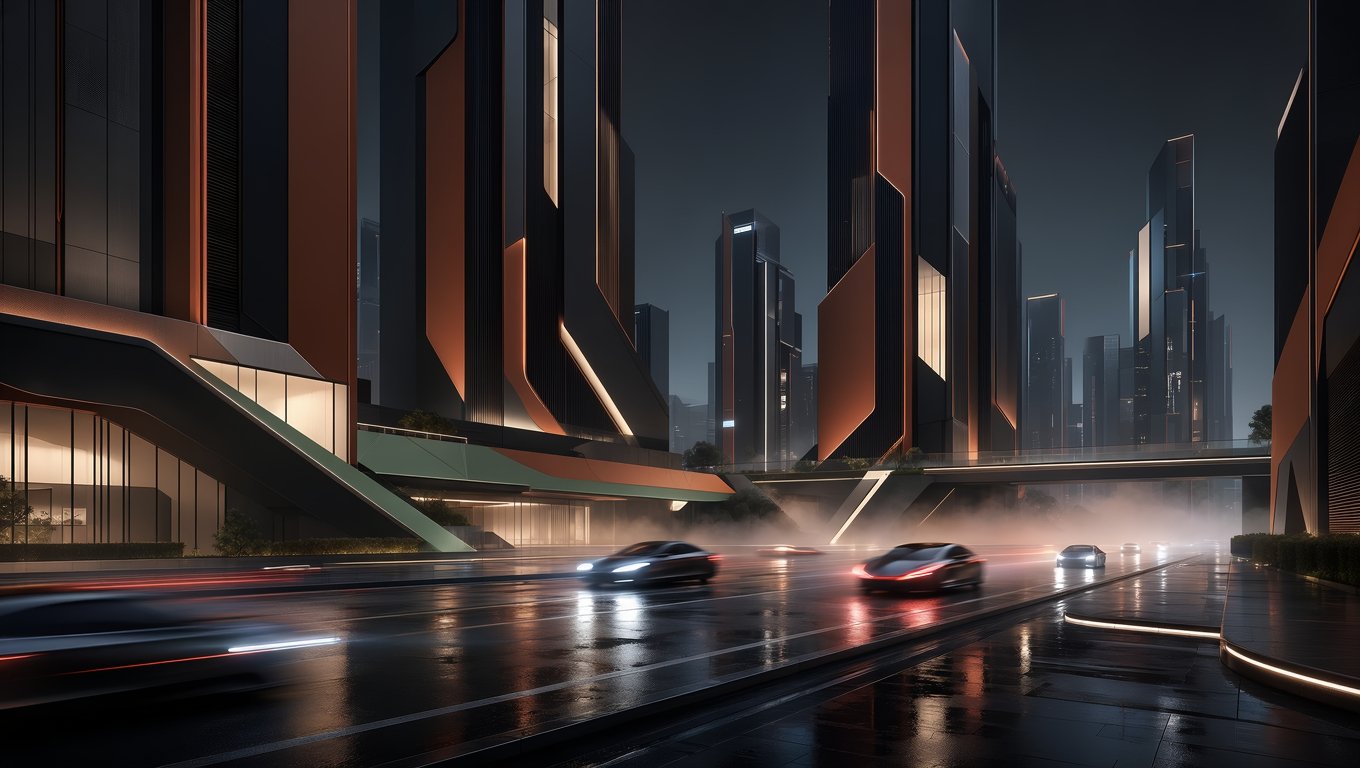
Suggested visual: A cinematic luxury ecommerce interface with floating UI layers, immersive product presentation, dark premium aesthetics, and motion-inspired layouts.
---
Open Graph Image
Suggested visual: Minimal luxury ecommerce preview optimized for social sharing with bold typography and immersive branding.
---
Tags
ecommerce, luxury ecommerce, nextjs ecommerce, ecommerce ux, ecommerce branding, premium ui, motion design, gsap, ecommerce architecture
---
Focus Keyword
modern ecommerce experience
---
Secondary Keywords
luxury ecommerce website, premium ecommerce design, ecommerce branding, immersive ecommerce, nextjs ecommerce architecture, ecommerce storytelling, motion ecommerce ui
---
Related Project Slugs
besgar-commerce, luxury-ui-system, immersive-brand-engine
---
SEO Title
Modern Ecommerce Experience Design for Premium Digital Brands
---
SEO Description
Discover how modern ecommerce brands are evolving beyond storefronts through immersive UX, storytelling, AI personalization, motion design, and performance-first architecture.
---
Canonical URL
[https://othermethods.com/blog/modern-ecommerce-brand-experience](https://othermethods.com/blog/modern-ecommerce-brand-experience)
---
Key Takeaways
Modern ecommerce is shifting from storefronts to immersive brand ecosystems. Performance optimization is now part of premium brand perception. Storytelling and motion design increase engagement and retention. AI personalization is transforming ecommerce experiences. Scalable design systems are essential for long-term growth.